
Moving Well Through Menopause
A physiotherapy guide to strength, pelvic health, bone health and confident movement.
Welcome to Module 2

Pelvic Health in Menopause
Understanding your pelvic floor and supporting it through hormonal change
Many women begin to notice changes in their pelvic health during perimenopause and menopause.
These changes might include:
• bladder urgency
• leaking urine when coughing or exercising
• a feeling of heaviness or pressure in the vagina
• reduced vaginal comfort
• changes in sexual function
For some women this can feel worrying or even embarrassing.
However, pelvic symptoms are very common during this stage of life, and there are many things that can help.
Understanding what is happening in your body can help reduce fear and allow you to support your pelvic health with confidence.
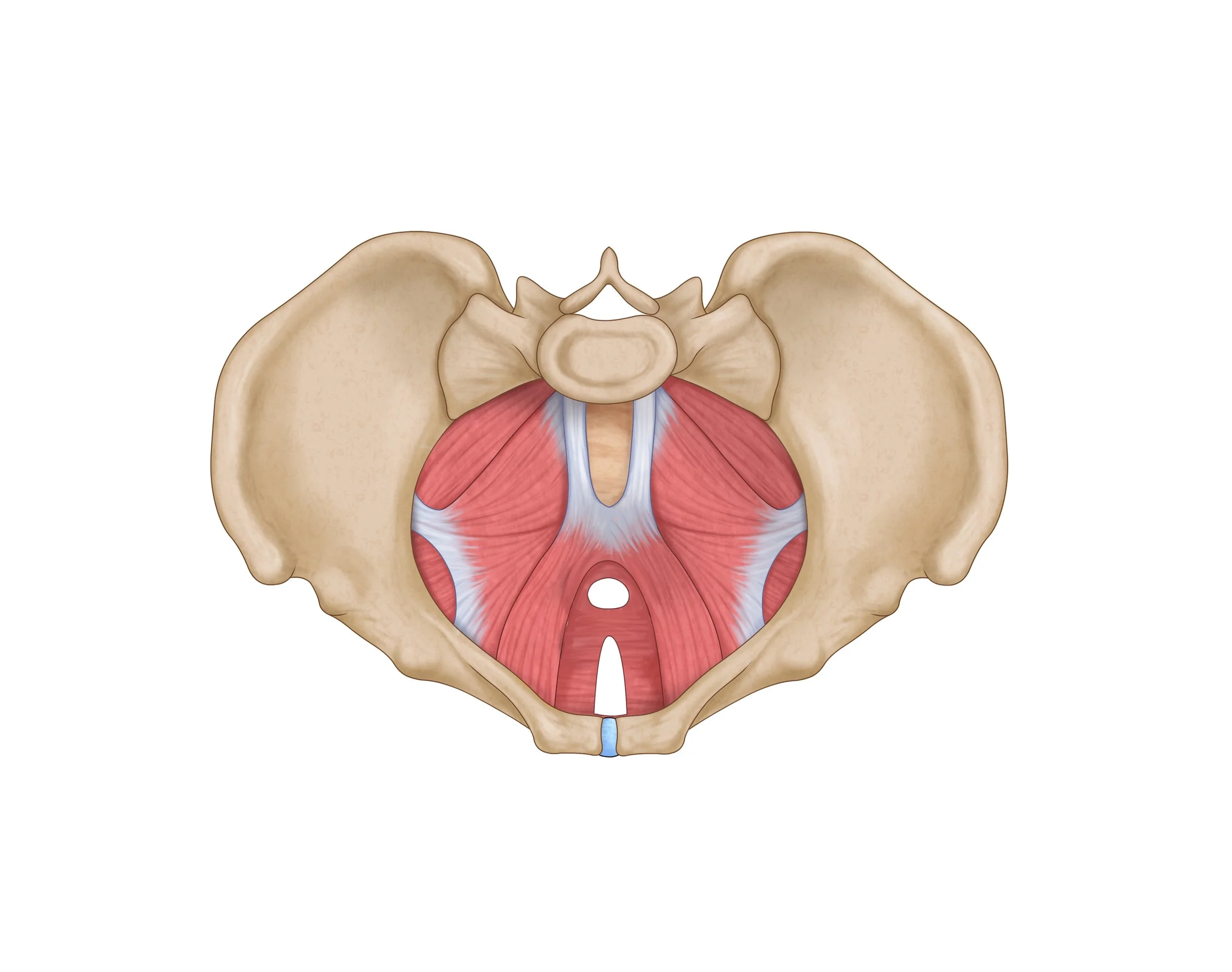
WHAT IS THE PELVIC FLOOR?
The pelvic floor is a group of muscles and connective tissues that sit at the base of the pelvis.
These muscles support:
• the bladder
• the uterus
• the bowel
They also help with:
• bladder and bowel control
• sexual function
• supporting pressure inside the abdomen when we move or lift.
The pelvic floor works together with the abdominal muscles, diaphragm and back muscles to support the body during movement.
Important Notice
This module provides general education from a physiotherapy perspective.
It does not replace individual medical advice, diagnosis, or treatment.
If you experience significant symptoms such as persistent pelvic heaviness, ongoing leakage, pain, or concerns about prolapse, please consult your GP or a specialist women’s health physiotherapist for individual assessment.
If you experience severe pain, unexplained symptoms, or concerns about your health, please consult your GP or appropriate healthcare professional.
WHY MENOPAUSE CAN AFFECT THE PELVIC FLOOR
During menopause, levels of the hormone oestrogen decline.
Oestrogen plays a role in maintaining the health of many tissues in the body, including the pelvic floor and vaginal tissues.
As oestrogen levels change, some women may notice:
• reduced tissue elasticity
• increased dryness or sensitivity
• reduced muscle strength
• changes in bladder function
These changes can contribute to symptoms such as urgency, leakage, or pelvic heaviness.
However, this does not mean these symptoms are inevitable or that nothing can be done.
Watch the Module 2 Video
Pelvic Health Through Menopause
In this video we explore:
• why pelvic symptoms can appear in menopause
• understanding bladder urgency and leakage
• the role of pelvic floor strength
• breathing and pelvic floor coordination
• when to seek professional support.
In this module we explore
• what menopause actually is
• how hormones affect muscles and joints
• why aches and stiffness can increase
• why recovery from exercise may feel different
• why pain does not automatically mean damage
What women often say
WHAT WOMEN OFTEN SAY
Women often describe things like:
“I suddenly can’t run without leaking.”
“I always need to know where the toilet is.”
“I feel a heaviness I didn’t have before.”
“I’m worried I might have prolapse.”
These concerns are extremely common.
Many women assume they simply have to live with these symptoms, but support and guidance can make a significant difference.
UNDERSTANDING PELVIC FLOOR STRENGTH
Like any other muscle group, the pelvic floor can become stronger with training.
Pelvic floor exercises aim to help the muscles:
• contract effectively
• support the pelvic organs
• respond to pressure during movement
• improve bladder control.
However, strength is only one part of pelvic floor function.
The pelvic floor also needs to be able to relax and coordinate with breathing and movement.
THE ROLE OF BREATHING
The pelvic floor works closely with the diaphragm.
When you breathe in, the diaphragm moves downwards and the pelvic floor gently lengthens.
When you breathe out, the pelvic floor naturally recoils and lifts.
Learning to coordinate breathing and pelvic floor activation can support:
• lifting
• exercise
• running
• coughing or sneezing.
PELVIC FLOOR SYMPTOMS DURING EXERCISE
Some women notice pelvic symptoms during exercise such as:
• leaking urine
• heaviness
• pressure
This does not automatically mean you must stop exercising.
It may simply mean that:
• pelvic floor strength needs support
• load progression was too quick
• impact needs adjusting temporarily
With the right approach, many women can return to the activities they enjoy.
How To Do Your Pelvic Floor Exercises
In this video I talk you through how to correctly perform a pelvic floor squeeze.
These muscles support the bladder, bowel and pelvic organs and can respond well to gentle strengthening exercises.
A common recommendation is to aim for three sets of 10 pelvic floor squeezes per day, making sure you fully relax between each contraction and 10 fast squeezes
If you struggle to remember your exercises, you may find the Squeezy app, developed by NHS pelvic health physiotherapists, helpful for reminders and guidance.
Physio Insight
Pelvic floor symptoms are common during menopause, but they are not something you simply have to accept.
Understanding your pelvic floor and supporting it through strength, coordination, and lifestyle habits can make a meaningful difference.
REFLECTION
Take a moment to consider:
• Have I noticed any changes in my bladder or pelvic health?
• Are there activities I have stopped due to worry about symptoms?
• What support might help me feel more confident?
You may wish to note your thoughts in your workbook.
Module 2 Workbook
Download the workbook pages for this module to help you reflect and capture your thoughts.